Renting Out Your Phoenix Solar Home? Solar Leases or Owned

Risks and rewards to renting out a solar home in Phoenix

Renting Out Your Solar Home in Phoenix?

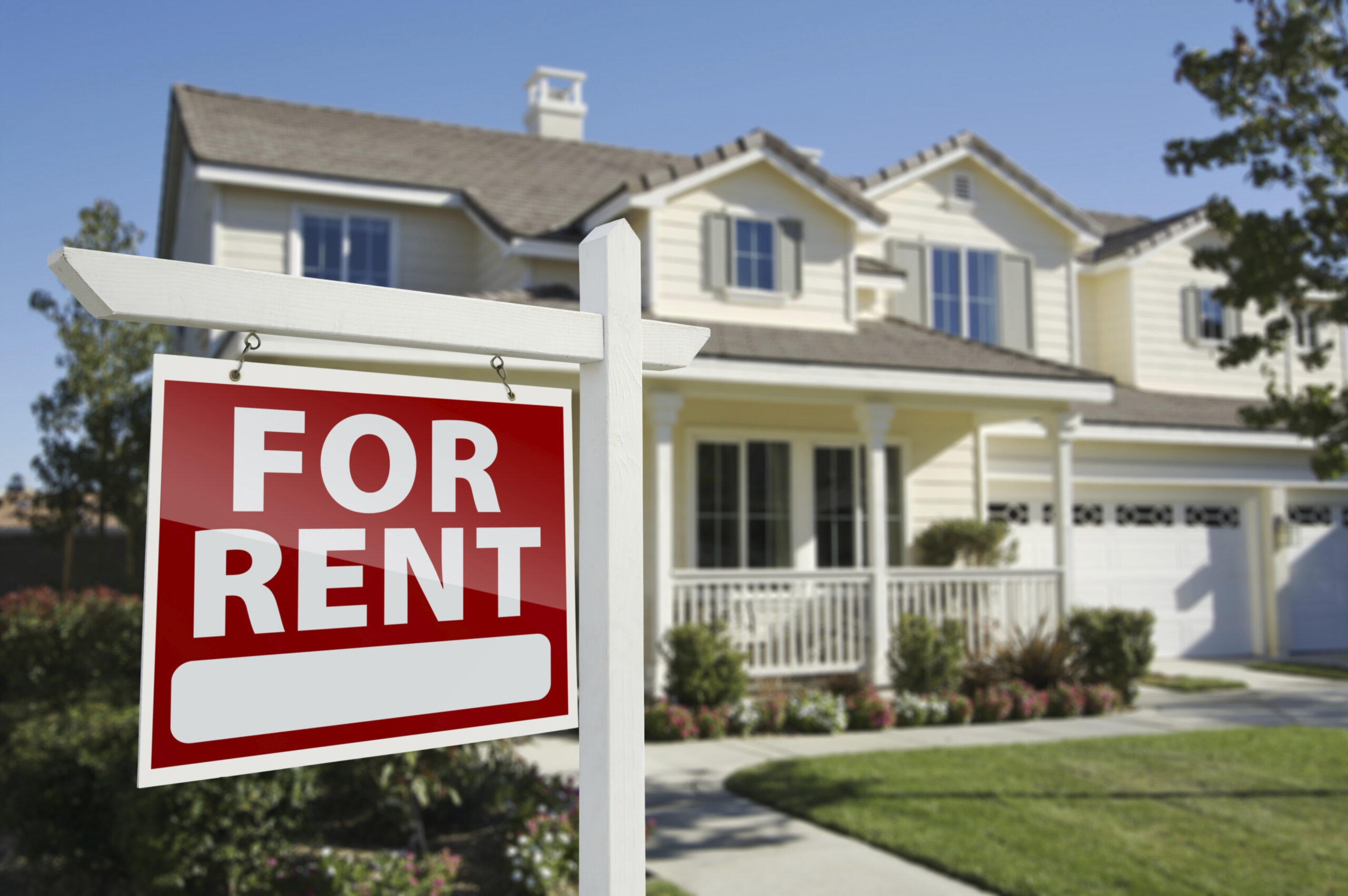
There may come a time in your life when you decide that it is time to move from your solar powered home but you may not want to sell it.  Having a renter in your home to pay down your mortgage, care for the property, and allow for more property appreciation may be an option to consider if you need to move and you can financially do it.  However if you have solar power on the home, there are several questions you and your property manager (if you hire one) need to work out before renting out the home.

The discussion of leasing your solar powered home falls into two categories (much like solar home sales do) – 1) homes with solar that is owned and 2) homes with a solar lease.

Owned Solar on the Home

When you are leasing out a home with solar as a fixture, i.e. you own the system outright, questions of liability, maintenance, and cost stand out in the forefront.

In terms of liability, is there any additional liability that you, the landlord, assume because of the solar system?  Are you guaranteeing performance of the solar system through your advertising by showcasing the cost savings of electricity?  What happens if the solar system does not perform as you had described to the tenant?  If the system fails, are you responsible for the higher utility bills until the system is fixed?  Who is responsible for fixing the system?  If damages occur as a result of the system, do you have additional insurance and contract clauses in the lease agreement to protect you?  As the landlord, do you have additional insurance to cover the cost of replacement of the system if the house is damaged?

In terms of maintenance on a home that you plan on renting out with a solar system, who is responsible for maintaining the system? Is the tenant allowed to make alterations to the home that could affect the solar system?  Does the tenant have the obligation to maintain the vegetation to avoid excessive shading of the solar system?

In terms of cost, will you pass the full savings off of the tenants utility bill to the tenant or will you charge the tenant a surcharge for use of the solar system? I ask this question because over time, there will be maintenance and component costs that you will incur.  If, for example, the inverter fails and you must replace it, do you have a reserve fund established because of a solar surcharge you tacked onto the rent?  Will you use the solar as an incentive to distinguish yourself from your competition and not charge a solar surcharge?  Can you ask for more in rent instead?

Solar Leases and Rentals

For homes that have a solar lease, the previous three categories of liability, maintenance, and cost apply but because you do not own the system and it is leased by a third party that the tenant does not have a contractual obligation to, you need to address your obligations to the solar leasing company in your lease agreement to your tenant.

In most solar leases, there are provisions that address the limited liability obligations of the solar company but do those protections pass to your tenant as well–the lease is only between you and the solar company and the tenant is not a party to the solar lease.  Do you need additional insurance coverage to protect your tenant?  Does the solar leasing company need to be notified?  Are there any provisions in your solar lease that would void any of the liability protections if you did rent out the home?

In terms of maintenance, most solar leases have clauses that require the home owner to ensure that the panels are cleaned and free from shading.  Do you have clauses in your lease addressing your obligations for maintenance and panel cleaning?  What about access to the solar system on the home?  Do you have clauses that allow for the solar leasing company to gain access to the home to check the system if it is not operating properly and will you have to be there as well?

Most solar leases, unless it is a prepaid solar lease, have a monthly fee that the home owner must pay for the duration of the lease.  Are you or the tenant responsible for paying that fee?  If the tenant is responsible, do you have contingency plans and contract clauses that address non-payment of the solar lease?  If the tenant fails to pay the solar lease on time, will that affect your credit report?  Furthermore, some solar leasing companies require the home owner to have an internet connection so that they can monitor the energy production of the solar system.  Are you or the tenant responsible for maintain an internet connection for the solar system?

Conclusion

Overall solar can be a very attractive feature for a rental home in the Phoenix area.  It affords a tenant to be eco-conscious while saving on their utility bills.  The idea of being able to save hundreds a year off of their utility bill is as attractive to tenants as it is home owners.

Be careful before renting out your house though.  You have certain obligations, especially under a solar lease, that you must fulfill and the standard real estate lease agreement fails miserably to address anything about solar in the leases.  Read through your lease and talk with your leasing company.  Make sure that your lease addresses any potential liability or obligations that you must fulfill, whether you do it or your tenant does it.

Questions, please feel free to give Rob Madden, the Solar Home Broker, a call at 480-888-1234.
Do Cloudy Days Affect My Solar Panels?

Do cloudy days affect solar panels in Phoenix?

The Prolific Sunlight of Phoenix and Its Significance

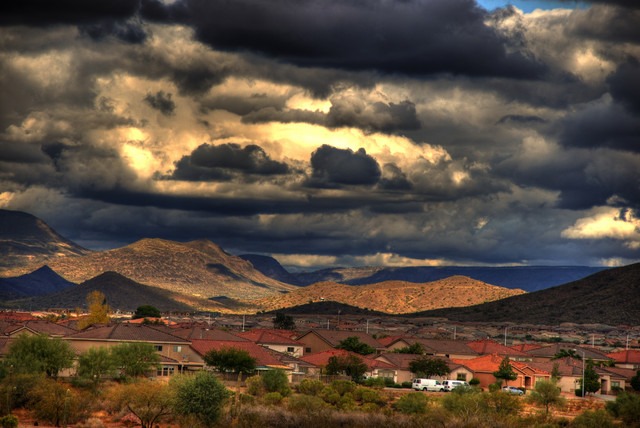
With a glowing nickname like the Valley of the Sun, Phoenix proudly basks in a whopping 300+ days of sunshine annually, providing a seemingly ideal environment for solar energy production. The geographical position of the city, coupled with the scant annual rainfall of around 7 inches, constructs a narrative where the deployment of solar panels seems not just logical but eminently sensible. Yet, as invariably as the desert experiences its rare rainy days, questions loom regarding the impact of cloudy weather on the efficacy of solar panels. Does the sparse yet existing cloud cover in Phoenix affect the solar energy generation? Let’s delve into the cloud-solar panel dynamic.

The Intermittent Cloud Cover: An Obstacle or a Minor Hurdle?

One cannot ignore the few but pertinent days of rain and clouds in Phoenix, often seen during events like the Phoenix Open in late January and sporadically throughout the diminishing summer monsoon season. The immediate effect of cloudy weather on solar panel performance has been widely acknowledged: a reduced output. But to what extent does this fluctuation matter in a region so predominantly sunny?

During cloudy days, solar panels might produce only 10-25% of their rated capacity, contingent upon factors like cloud density and panel type. Panels with a capacity to absorb a wider spectrum of sunlight, such as SunPower solar cells, tend to fare better under diffuse light conditions, thereby mitigating some loss during overcast days.

Beyond Visible Light: Capitalizing on the Invisible Spectrum

Even amidst the enveloping clouds, ultraviolet (UV) light persistently pierces through, reaching the earth’s surface in substantial amounts. This phenomenon is commonly evidenced by unwitting sunbathers becoming unexpectedly sunburned on an overcast day at the beach. The capacity to harness UV light to generate electricity is a developing area in photovoltaic technology, with prototypes under rigorous testing, though not commercially available as of yet.

The utilization of UV light, alongside other innovative advancements in solar technology, promises to further minimize the cloud-induced dips in solar energy production, thereby bolstering the reliability of solar energy systems even in less-than-ideal weather conditions.

Weighing Annual Sunlight Against Intermittent Clouds

It’s paramount to adopt a holistic perspective when evaluating the efficacy and return on investment (ROI) of solar panels in a region. The intermittent cloud cover experienced in Phoenix indeed diminishes solar output temporarily, yet the cumulative, annual solar yield substantially overshadows these brief lulls.

Utilizing data from numerous sunny days and comparing it with the short spells of reduced output during cloudy days provides a comprehensive view of the energy production capabilities. For the prospective solar panel owner, this assures that the occasional cloud cover does not significantly impact the ROI of their solar setup in the long-term analysis.

The Path Forward: Continuous Innovations in Solar Technology

As the solar industry propels forward, continuous innovations aim at mitigating the impact of environmental variables like cloud cover. The development of bifacial solar panels, which can harvest sunlight from both front and rear sides, and the advent of solar trackers, which orient the panels towards the sun throughout the day, are prime examples of innovations designed to maximize energy capture, even under suboptimal conditions.

Additionally, incorporating energy storage solutions, like solar batteries, to store excess energy produced during the numerous sun-drenched days ensures a stable, continuous power supply even when cloud cover lowers production levels.

Concluding Thoughts: A Sunny Forecast for Solar in Phoenix

In conclusion, while the cloud cover in Phoenix may temporarily and marginally impact solar energy production, the overwhelmingly predominant sunny days unequivocally fortify the city’s status as a lucrative hub for solar energy utilization. With technological advancements progressively minimizing weather-induced impacts and enhancing energy storage capabilities, the occasional clouds do little to overshadow the bright future of solar energy in Phoenix.

What Happens to your Solar Payments After a Foreclosure?

solar and foreclosures in Phoenix

Navigating Tough Times: What Happens to Your Solar Lease or Loan if You Face Home Foreclosure

In recent conversations about real estate, a noticeable shift has occurred from discussing a thriving market to tackling topics like short sales, foreclosures, and a dip in market activity. In Phoenix, the last three weeks alone have witnessed a nearly 40% surge in real estate inventory, while sales have begun to decelerate. While current inventory levels still sit below those of early 2019, the impact of economic shutdowns promises to usher in tangible negative effects.

A rising question among solar homeowners revolves around managing solar lease or loan payments amid financial difficulties. Can solar companies provide a payment plan, forbearance, or even debt forgiveness? And crucially, will it negatively affect your credit score?

The financial crisis of 2008 did not present the additional layer of managing solar lease/loan payments during home loan discussions. We find ourselves navigating unfamiliar territories, with many solar companies still formulating a plan. Bearing that in mind, here are several pivotal points to recall:

  1. Solar Leases Amidst Foreclosure: Solar leases typically will supersede a foreclosure. If you were to lose your home to foreclosure, there is a good chance that the new owner will still be responsible for the debt (though I must emphasize that you may still owe on it as well).
  2. The Persistence of Solar Loans: Solar loans, usually personal loans, can trail you even after the home’s title has transferred, unless the new owner properly assumes the loan.
  3. Help from Loan and Lease Companies: While loan and lease companies exhibit a willingness to assist, it is often on a case-by-case basis. If you worry about making a lease payment, connect with your servicing company immediately to devise a plan, whether it involves delayed payments or payment forbearance.

Even with a payment forbearance, where solar companies allow payment pauses, queries arise: When will you need to repay those missed payments? Will those missed payments damage your credit score? Will it increase your future payments? Understand your options and make sure to ask questions!

Solar Leases and Financial Strain

Delving into the first scenario, when a homeowner with a solar lease faces foreclosure, solar leases often take precedence. This means even after a home’s loss, the lease’s financial obligations might transition to the new owner. However, this pathway is not straightforward and might still result in ongoing financial obligations for the original homeowner. This complexity necessitates clarity regarding contractual terms and possibly local regulations.

Paying Solar Loans after Losing Your Home

In the second scenario, solar loans, often treated as personal loans, may follow a former homeowner even after they no longer own the property, unless the new owner formally and appropriately assumes the loan. This situation could spawn complex and potentially litigious scenarios, especially without clear resolution, pathways or established precedents.

Loan and Lease Companies Willing to Assist

A glimmer of hope emerges from the willingness of some loan and lease companies to assist, although it’s often on an individual basis. Immediate communication with your service provider, if payment difficulties are anticipated, might pave the way to solutions like delayed payments or payment forbearance. However, while these solutions offer immediate relief, they spawn additional questions and potential future hurdles.

Effects on Credit Score

Addressing the credit score, foreclosures and missed payments significantly impact credit scores and can influence one’s financial standing for years. For solar homeowners, this impact might be twofold, with both the mortgage and solar loan or lease reflecting negatively on their credit report. Understanding the long-term and depth of this impact and potentially seeking professional guidance may be pivotal.

Exploring Alternatives

Moreover, exploring foreclosure alternatives, particularly for solar homeowners, is essential. Options like loan modifications, refinancing, or even selling before foreclosure are pathways that could potentially minimize financial damage and somewhat protect credit scores.

Here to Help

In this complex financial and legal web, especially for solar homeowners navigating through these challenging times, immediate and transparent communication with loan or lease providers, understanding your contractual obligations, exploring all available options, and perhaps most critically, seeking expert advice could be the keys to managing these challenges as smoothly as possible.

If you’re wrestling with these challenges and seeking guidance, feel free to reach out directly at 480-888-1234 to discuss your options. The path may be uncharted, but you don’t have to walk it alone.