Phoenix Solar Calculator: The Power of the Kilowatt Hour

solar calculator

Solar Calculator – Watt’s your kilowatt number?

Phoenix basks in the glory of sunshine, and it’s not just about golden sunsets and tan lines; it’s about turning that abundant sunlight into power and potential property value. For home sellers with solar rooftops, understanding the significance of the cost per kilowatt hour (kWh) isn’t merely technical jargon—it’s a potent tool to determine whether your property will shine in the market or cast a shadow over potential sales.

Why the Kilowatt Hour Matters

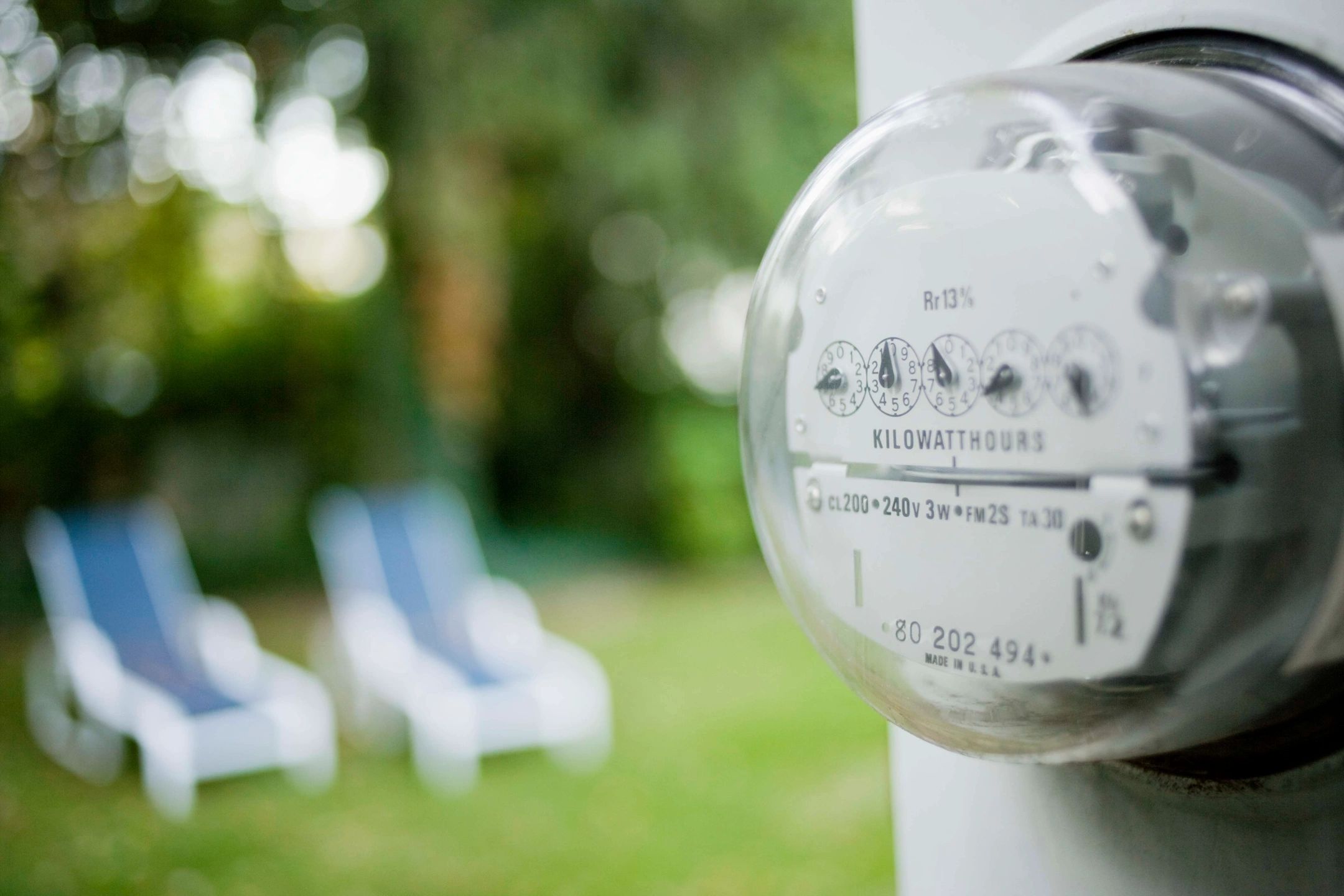
In the grand mosaic of solar power dynamics, the kWh is the linchpin. It’s the unit measuring how much electricity your solar system produces and, crucially, how much it could save or cost a potential buyer. With the APS (Arizona Public Service) time-of-use rate plan, the kWh isn’t just a fixed value; it ebbs and flows based on the time of day and year.

Your Solar Advantage: Breaking Down the Numbers

For homes tapping into Phoenix’s sunlight when compared to APS’ 4pm to 7pm time of use plan:

  • 63% of energy is generated during off-peak hours
  • 14% during super off-peak hours in winter
  • 23% during on-peak hours

Given the varied rates APS offers, this energy generation can translate into tangible savings or costs. For instance, during summer months, the cost difference between on-peak ($0.2978 per kWh) and off-peak ($0.10789 per kWh) is significant. Similarly, the winter months offer the advantage of a super off-peak rate at just $0.03166 per kWh.

How Does Your Solar System Stack Up?

A solar calculator tailored to these local parameters can be transformative. As a seller, inputting your home details and solar specifications will offer insights into:

  • Potential savings for the buyer
  • How your solar setup compares to market expectations
  • Whether your solar system adds value or poses a challenge to your sale

The Buyback Potential: An Added Edge

Here’s a bonus: homes that produce excess energy can benefit from APS’s buyback rates, which range from $0.08465 to $0.129 per kWh. A solar calculator will gauge your potential earnings from this buyback, emphasizing another layer of value to potential buyers.

A Powerful Selling Tool

In a market brimming with competition, knowledge is power. Understanding the kWh cost your solar system offers equips you with the data to showcase your home’s long-term financial and sustainable advantages. It’s not just about having solar panels; it’s about demonstrating their tangible benefits.

For potential buyers, the cost savings and sustainable living prospects can be compelling. By presenting them with clear, data-backed insights, you’re not merely selling a home; you’re selling a vision of eco-friendly, economically savvy living.

To Solar or Not to Solar?

In Phoenix, where the sun generously bestows its energy, a solar rooftop can either be a coveted asset or a debated liability. By leveraging a solar calculator, home sellers can decipher where they stand. The cost per kWh your system generates will either bolster your sale, positioning your property as a cutting-edge, eco-conscious haven, or pinpoint areas for improvement before listing.

Ensuring your home’s solar system is an asset rather than an Achilles’ heel is essential. Dive deep into the kWh dynamics, harness the power of a solar calculator, and illuminate the true value of your Phoenix home.

To find out your cost per kilowatt hour, input your information below:

[solar_calculator]

Using Your Cost per Kilowatt Hour

Using your number above, is it costing you more or saving you more:

  • during ON PEAK hours (from 4pm to 7pm)?
  • during OFF PEAK hours (7pm to 4pm)?
  • during SUPER OFF PEAK hours (10am to 3pm during winter months) kick in?
  • if you have to sell excess electricity back to APS?

Remember, even if you are receiving a check back from APS each month as a credit on your bill, what is the cost of it? If it costs you, for example, $0.15 to generate a kilowatt hour of electricity that you end up sending back to APS because you didn’t use it, what is your buyback rate? $0.08465 per kilowatt hour? That is a net loss of $0.065 for every kilowatt hour you send them. That doesn’t make a lot of sense.

On the other hand, if you own your system free and clear, none of this matters because the savings are there each month.

If you have questions on whether or not your solar will affect the sale of your home, give me a call at 480-888-1234 and let’s discuss it.

Transferring a Mosaic Solar Loan When Selling Your Phoenix, AZ Solar Home: A Comprehensive Guide

Mosaic Solar Loan Transfer Process Phoenix AZ

Transferring a Mosaic Solar Loan When Selling Your Phoenix, AZ Solar Home

Selling a home in Phoenix, AZ can often be a multi-layered process. Between showing appointments, aiming for a profitable sale, managing home improvements, and navigating the emotional roller coaster of moving, the last thing you’d expect is a hitch from your buyer’s mortgage lender due to misunderstandings about your solar loan. For Phoenix solar homeowners, this issue is not rare. Fortunately, a little knowledge can effortlessly resolve this misunderstanding and pave the way for a successful home sale.

Understanding Liens on Your Solar Assets vs. Home

A lien signifies a lender’s legal claim over an asset, which can be used if a borrower fails to make payments or attempts to sell the asset before full payment. For instance, while a mortgage lender may have a lien on your Phoenix residence, solar loan companies like Mosaic have a claim on your solar equipment – encompassing solar panels, wiring, inverters, and potential battery systems.

For Phoenix homeowners wanting to sell, this solar lien presents two paths. First, the incoming homebuyer can assume both the loan and its associated lien, provided they qualify. Alternatively, as the seller, you could payoff the loan balance, possibly using your home sale’s proceeds. Given the increased value solar panels bring to homes, using this added value to clear the solar loan often emerges as the most straightforward option.

Steps for a Seamless Solar Home Sale in Phoenix, AZ

Preparation remains key. Awareness of your UCC-1 Filing and solar loan agreement plays a pivotal role in ensuring a smooth home sale experience in Phoenix. It saves all parties from undue stress and potential hitches.

When presenting your solar-powered home, it’s crucial to educate potential buyers about the solar installation and its associated benefits. If you wish to get the best price premium for your solar setup, consider collaborating with a local real estate expert, like Rob Madden of Green Leaf Realty, who is well-versed in Phoenix’s solar home landscape.

Factors That Shape the Sale of Solar Homes in Phoenix, AZ

Solar installations undoubtedly enhance a home’s value due to the long-term savings they offer. On average, Mosaic customers enjoy a whopping $30,000 savings on electricity bills over their solar panels’ lifespan.

However, how do you convincingly convey the value of these future savings to prospective buyers?

  1. Equipment Details: High-efficiency solar panels from reputed manufacturers tend to fetch higher prices.
  2. Generation & Savings Data: Highlighting your installation’s monthly electricity generation and bill savings can be influential. Also, mentioning your net metering status, especially in regions where it’s significant, is beneficial.
  3. Warranty Information: Potential buyers will be keen on understanding the warranty status of your solar panels. Ensure clarity on its duration and transferability.
  4. Financing Insights: For those who chose solar financing, understanding the loan or lease transfer process is paramount. Familiarize yourself with any prepayment penalties and other terms. Mosaic, for instance, imposes no such penalties.

For Phoenix solar homeowners aiming to sell, two options lie ahead:

  1. Offset the solar loan with the value increment that a clear solar system offers.
  2. Allow the home buyer to take over the Mosaic solar loan.

Benefits of Paying Off the Loan:

  • Higher home valuation
  • Quicker sales process
  • Simpler transaction with fewer steps
  • Buyer’s convenience as they avoid additional Mosaic payments

To successfully transfer a Mosaic loan:

  1. As the seller, give written consent to Mosaic in order to share loan details with the potential buyer.
  2. Mosaic will then share the current solar loan’s terms with the buyer.
  3. The buyer proceeds to apply for credit qualification for the solar loan.
  4. Upon credit approval, both seller and buyer sign the loan transfer agreement.
  5. Mosaic reviews this agreement and issues a UCC-1 termination agreement to be shared with the title/escrow officer.
  6. Post-closing, Mosaic transfers the loan into the buyer’s name upon receiving title transfer confirmation.

For any queries, Mosaic loan operations can be reached at 855-746-5551 or via email at loanservicing@joinmosaic.com or support@joinmosaic.com.

In summary, Phoenix solar homeowners can ensure a hassle-free home sale by being informed and prepared, making the transfer of their Mosaic solar loan a breeze.

Does Solar Increase Your Home Value in Phoenix

solar adds value to homes in Phoenix

Does Solar Add Value to a Home in Phoenix?

Solar home sales are increasing every month and now report for at least 8% of all of the home sales throughout the Phoenix area. With hundreds of solar homes selling each month, many solar home owners throughout the Phoenix area are wondering if solar adds to their property’s value.

Having been in the real estate industry for the last 29 years and focused on selling solar homes for over 12+ years now, the simple answer is yes, solar can raise your home value if you follow a few simple steps to make sure you get the most value out of your home when you sell it. With millions of dollars worth of solar transactions over that period, no two transactions are alike and no two homes are the same. I have found the one common denominator in all of these transactions is me, coming in with a lot of solar real estate experience, training on marketing and valuing solar homes, and insight on how to properly guide my solar home sellers to get the most value for their property.

How To Get Full Value For Your Solar Home

My track record has shown that I have had homes sell for more than the area non-solar homes and in the same amount or even less time. There are seven key steps as a solar Realtor that I take to make sure that the solar panels add value to the home.

7 Steps to Added Value for Solar Homes

  1. Research the make, model and efficiency of the solar equipment
  2. Analyze the true cost of energy production versus the aggregate amount of solar savings generated from the solar panels
  3. Have an independent third party certify the solar system (used for both sales marketing and the appraisal)
  4. Create a detailed broker price opinion of value based upon the home and its features in relation to non-solar home sales in the area
  5. Design solar specific marketing material to demonstrate and educate the buyer on the benefits and cost savings from the solar panels
  6. Require the buyer to hire a certified green appraiser that understands solar when having an appraisal done on the home
  7. Personally meeting the appraiser at the home during the appraisal to give them a detailed solar report that includes information about the solar system, energy production, cost off-sets and utility usage reports, form 820.06 Green and Energy Efficiency Addendum for the appraisal (filled out by an independent third party) and relevant comparable home sales data.

The key to getting full value for your solar panels is hiring the right solar real estate agent when you sell your home!

The average solar home in Phoenix only receives $1500 in extra value because sellers fail to take the right steps for max solar value.

In my experience, most sellers do not fully understand the benefits or function of their solar panels on their roof.  Now, imagine having home buyers come through their home that have had solar…and just telling them that it saves $100 a month (or whatever that figure may be). Who is guiding that seller and buyer to ensure that not only the buyer recognizes the value of the solar panels on the roof but also the third party professionals such as the home appraiser or mortgage lender that are basing financial calculations on the value of the solar home? You need an experienced and qualified solar real estate agent to guide you through the process. Otherwise, you are just a solar guinea pig training a real estate agent on the do’s and don’ts of how to sell a solar home.

With over tens of millions of solar real estate sold and millions more in regular real estate sold in the Phoenix area, I have helped many home owners realize higher equity returns on their solar with an average of $1.65 to $2.78 per watt, depending upon the size and age of the solar panels and inverter. No two solar homes are alike but I know I can help you too.

Give me a call at 480-888-1234 and let’s talk about getting the most value for your solar.

How A Mortgage Affects the Sale of a Solar Home in Phoenix

mortgages and solar home sales

How a mortgage affects the sale of a home in Phoenix.

Owning a home adorned with shiny solar panels in sunny Phoenix is an exciting prospect. But, hey, we get it! The financial side, especially understanding mortgages and loans, can be a bit tricky. Let’s explore, in straightforward terms, how different loan options work for purchasing a solar home in the Phoenix area.

Conventional Loans: Your Everyday Mortgage

These are your standard loans, often used by many. They’re guided by rules set by Fannie Mae or Freddie Mac, which are entities that buy and package mortgages. Fun fact: You can snag a conventional loan by putting down as little as 3% and choose between a 15 or 30-year payoff plan.  Additionally, solar lease payments are not added to your qualifying ratios (though a solar loan payment would be added unfortunately).

When it comes to homes with solar panels, there’s a special form (the “Residential and Green Energy Efficient Addendum”) that appraisers use if the solar system is owned and not leased. A tiny hiccup to keep in mind: if you purchased solar panels under the PACE program (specific to California), Fannie Mae won’t back the loan. But since we’re in Arizona, no worries there!

FHA Loans: Friendly and Adaptable

FHA loans are known for being user-friendly with flexible rules. The Federal Housing Administration (FHA), a part of the U.S. Department of Housing and Urban Development (HUD), ensures these loans. They’re renowned for their lower down payments and more lenient guidelines.

When solar comes into play, FHA has cool specifics. They allow mortgage amounts to go beyond 20% of the max allowable FHA home loan if that excess is used to install a solar system. Plus, with an FHA Energy Efficient Mortgage (EEM), you can finance up to $10,000 for energy improvements (like solar panels) with as little as 3.5% down.

Another neat offer from FHA is the Title I loan, providing funds for energy improvements even if you’ve not much equity in your home. Although rarely used for initial home purchases, it can be a boon for existing homeowners in Phoenix wishing to shift to solar without leasing.

VA Loans: A Salute to Service

Here’s a shoutout to our military veterans! VA loans are tailor-made for you, requiring no money down and are, in general, a fantastic deal.

When we bring solar into the picture, VA has specific guidelines, notably in VA Pamphlet 26-7, regarding how solar systems are valued and qualified. Similar to other loan types, if the solar system is a permanent part of the home and not leased or financed, it adds value.

VA also has an energy-efficient mortgage, but it’s worth noting that it’s not commonly offered by most lenders in Phoenix.

In a Sunbeam: The Link of Loans and Solar

Regardless of the loan type, Phoenix has proved to be a sun-drenched paradise for solar homes. However, diving into the financial aspect, particularly loans, requires a little light to be shed on the intricate details.

Through the lens of conventional, FHA, and VA loans, potential solar homeowners can navigate the sea of financial jargon and lay the foundation for their luminous abode in the vibrant heart of Arizona.

The takeaway? While each loan type has its unique shades, the underlining fact remains that turning your home into a beacon of sustainability with solar is certainly plausible. And with the right financial route, you can bask in the glow of both the sun and smart, future-proof investment in a solar home in Phoenix.

Selling Your Solar Home in Arizona

Turn solar into sold

Shining a Light on the Myths About Solar Homes

You’ve heard it often – real estate agents whispering that solar panels make selling a home in Arizona trickier and slower. But hold on a minute, is there any truth to that? Well, not really! It turns out, many of these agents might not fully understand how to showcase the fabulous pluses of a solar home to possible buyers. So, why are some Phoenix solar home owners choosing these agents, who see their energy-saving solar setup more like a hurdle than a selling point?

Tackling the Why and How of Solar Benefits

Here’s the scoop – the agents might not know how to talk about solar homes in a way that gets people excited. Maybe they don’t quite get how solar technology works or perhaps they don’t realize all the cool perks you’ve gotten from your solar system since you installed it.

Experience Talks: Shaping a Pro-Solar Selling Strategy

In the 30+ years of working in real estate, with a good 12 years zeroing in on selling solar homes in the Phoenix area, there’s been a lot of learning and understanding about how to do it right! After seeing what works (and what doesn’t!), I have crafted a 7-Step plan to make sure your solar home gets the top-notch value it truly deserves.

Stepping Up the Solar Game: Empowering Buyers and Agents

With a specialty in solar and knowing all the ins and outs of energy efficiency, it’s clear that many buyers are being led by agents who might not be able to tell them about the awesome benefits and advantages of going solar. This 7-Step plan swoops in to fix that, educating both the buyer and the real estate agent and showing how your solar setup will save them bucks on their electric bills each month.

Picking the Right Guide: Don’t Settle for Less!

Want to know the secret sauce to selling your solar home in Arizona? Get the right solar real estate agent on your team BEFORE you put your home on the market! Even though loads of people manage to pass the real estate exam in Phoenix, not all of them know the special details of selling a solar home. Don’t let your home be a practice round for an agent who’s still figuring things out!

Avoiding Pitfalls: Navigate the Sale with Confidence

Choosing an agent without experience in solar homes could mean stumbling into unnecessary mistakes and waits while they try to learn on the job. Your home, and indeed your wallet, deserve better than being a learning experience for someone else!

Championing Solar Sales with Certified Expertise

As a certified EcoBroker and GREEN Realtor, plus being certified in energy auditing from the Building Performance Institute (BPI), there’s a lot of know-how in selling homes that have all sorts of solar setups, whether leased or owned. And the goal is to use all that expertise to help you!

Let’s Illuminate Your Path to a Successful Sale Together!

Ready to talk about how to get your solar home sold in a way that truly values its worth? Dial 480-888-1234, and let’s chat about putting your solar home in the spotlight, ensuring it attracts buyers who will appreciate its true value!

Top 10 Tips to Selling a Solar Home in Arizona

top 10 list solar home selling

You may think that selling a home with solar is the same as selling any house in the Phoenix area, but solar adds a unique dimension to the selling process.  As the home seller with a solar array on your home, whether you own the solar outright or are leasing the solar system, there are several tasks you should complete before putting the “for sale” sign in your front yard.

While many of the suggestions are fairly simple and straight-forward advice that I would share with anyone selling a home in the Phoenix area, some items are unique to the solar home selling process and can play a crucial role in ensuring that you receive the best offer in the shortest amount of market time possible.

Top 10 Tips When Selling a Home with Solar in Arizona

  1. Gather together all of your solar documentation.  Solar documentation includes leases, solar loan documents, net metering agreements, sales brochures, system information, and any other documentation you received when you installed solar on your home or signed in connection with solar on your home.  It is important to contact the solar company to verify their procedures to transfer the solar lease/loan to the new buyer while your solar system information is helpful in preparing marketing materials and providing the home’s appraiser with detailed system information in order to maximize the system’s added value to the home.
  2. Gather together all of your energy bills.  A crucial part of marketing a home with solar is to explicitly show potential buyers the beneficial savings you have enjoyed since installing solar on your home.  Besides having at least a 12 month history of utility bills since you have had solar (in order to demonstrate to the buyer how well the system works throughout the year), it is important to have at least a 12 month history of utility bills before you had solar installed on the home in order to compare and contrast how well the solar system has saved you money.
  3. De-clutter.  Get rid of the piles of magazines that you no longer read and take down all of the personal mementos that are potential distractions to the hoards of home buyers that will be viewing your home.  Remove excessive furniture in rooms to make them feel more open and spacious.  Clear out closets and put items that you don’t need into storage.
  4. Clean the home thoroughly.  It is one thing to live in a home and another to sell it.  Your home has to be show-ready at any possible moment and giving your home a deep cleaning will help make a good first impression on buyers visiting the home.
  5. Focus on curb appeal.  What is the buyer’s first impression when the pull up to the home?  Does the look shabby and run down with weeds growing in the rocks?  Is it clean and well maintained?  What impressions with that buyer begin forming as they walk up to the front door?
  6. Fix it.  As I stated before, it is one thing to live in a home and another to sell it.  Do you have leaky faucets that you have overlooked for years?  Do you have doors that stick or wall paper beginning to peel in the bathrooms?  As buyers walk through your home, each one of these faults that you have grown to live with will become reasons for buyers to knock down your price or move on to other homes because the home requires too much work.  Don’t give a buyer a reason to walk away and the bigger the problem, the bigger of an issue it will be for a buyer, especially if the ceiling has water stains, an appliance doesn’t work, or if a window is boarded up because it is cracked.
  7. Don’t overlook the other primary variables that a buyer will want from a home.  Unfortunately solar is not a primary search variable for home buyers in the Phoenix area, rather, it is a secondary search feature.  Buyers tend to focus on price, location and neighborhood, size of the home, schools, and the flow of the home to make the initial determination to visit a home.  Solar, along with other factors such as parking, storage, pool, and other features and amenities in a home, become additional features that will differentiate your home from the rest of the competition.  Be sure to emphasize other factors that will help a buyer in their decision process including other features, amenities, upgrades, and perks that your home has to offer.
  8. Price it effectively.  Price is one of the top three variables that will determine if a buyer even visits your home (location and size are the other two).  Price it according to the market, not what you feel it is worth.  In previous years, there have been times when pricing above market were realistic while during the market downturn, prices were falling like bricks just to attract a buyer through the home.
  9. Have an effective marketing plan.  While there are many similarities to selling a home with solar to the average, run-of-the-mill home in the neighborhood, there should be an additional level of marketing the solar benefits of the home.  Failure to illustrate the benefits of solar can result in longer marketing times and lower offer prices by buyers.
  10. Call the Solar Home Broker at 480-888-1234.